Key Takeaways
- Vitamin D is necessary for more than bones – it affects spirit, immunity, hormones, and even energy.
- Deficiency occurs in all diets, whether vegetarian, vegan or non-vegetarian. Most people do not realize that they lack it.
- There are still powerful ways to promote vitamin D based on your lifestyle and diet.
- Smart sun exposure, proper food combination and mindful supplements can create a permanent difference regardless of gender or age.
Why Vitamin D Matters More than you Think
Vitamin D is not only a “bone vitamin.” It is a hormone-like vitamin. It works quietly in the backdrop of almost every major body activity. Vitamin D plays an important role from immunity to mental clarity, from muscle operation to hormone balance.
It is called “Sunshine Vitamin” because your body can make it when your skin is in contact with the sun. Most people do not often hear the truth. Sunlight alone is not always enough. That is why 1 out of 2 people worldwide is deficient.
It is even more complex for different diets and lifestyle changes, how our body absorbs and uses this vitamin.
How does Vitamin D Work in the Body?
Vitamin D is absorbed either through food, supplements, or sunlight. It is converted into its active form in the liver and kidney. This form acts like a hormone. It tells your cells how to work. It regulates calcium in the blood and activates your immune system.
It supports:
- Calcium and phosphorus absorption
- Bone strength and development
- Mood and mental health
- Muscle recovery and strength
- Immune flexibility against infection
- Hormonal balance (including testosterone and estrogen levels)
The Signs you are Deficient (Often Ignored)
- Constant fatigue even after rest
- Symptoms of low mood or depression
- Joints or muscle pain
- Colds or flu often
- Thin hair or slow wound healing
- Weak grip or body pain
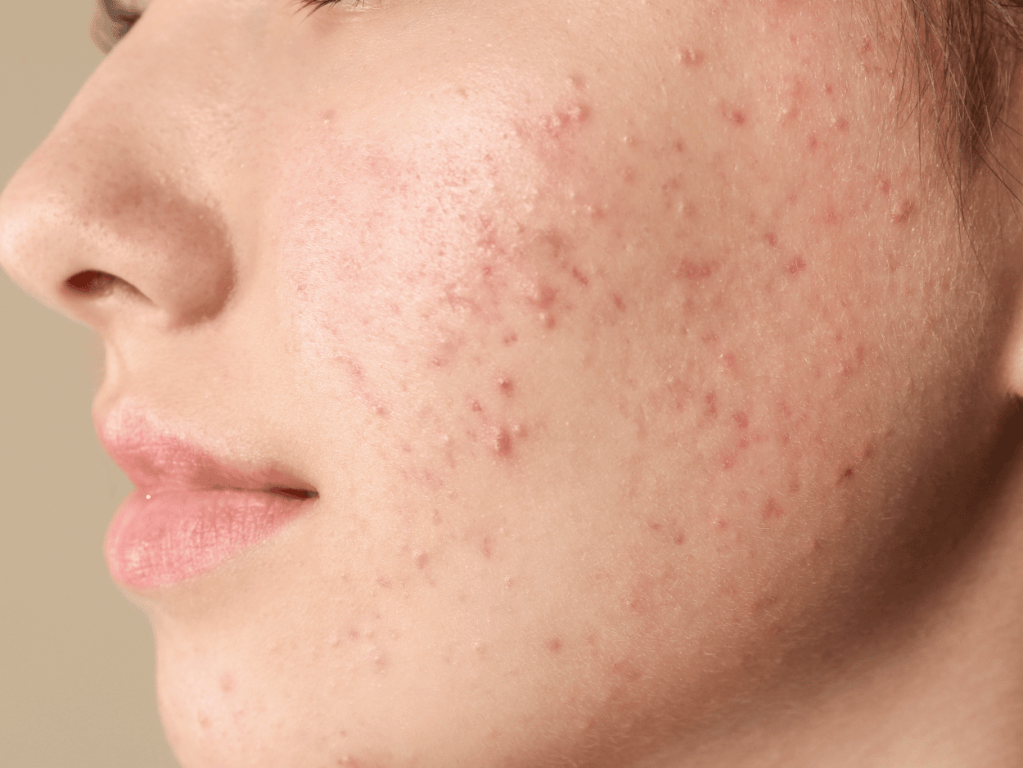
Many people brush these off saying stress or aging; but often, it is a vitamin D deficiency.
Daily Vitamin D Needs (Depending on Age and Gender)
| Age Group | Recommended Intake (IU/ day) |
| Infants (0 to 12 months) | 400 IU |
| Children (1 to 18 years) | 600-1000 IU |
| Adults (19 to 70 years) | 600-800 IU |
| Adults (70 years+) | 800-2000 IU |
| Pregnant/ Lactating | 800-2000 IU |
Note: Some people may need more if they have darker skin. They also need more Vitamin D if they live in a cold climate. Extra amounts might be required for those who work indoors or apply sunscreen daily.
Sources of Vitamin D from Diet Type
Let us break it down because the approach depends on whether you are non-vegetarian, vegetarian or vegan.
For Non-Vegetarian People
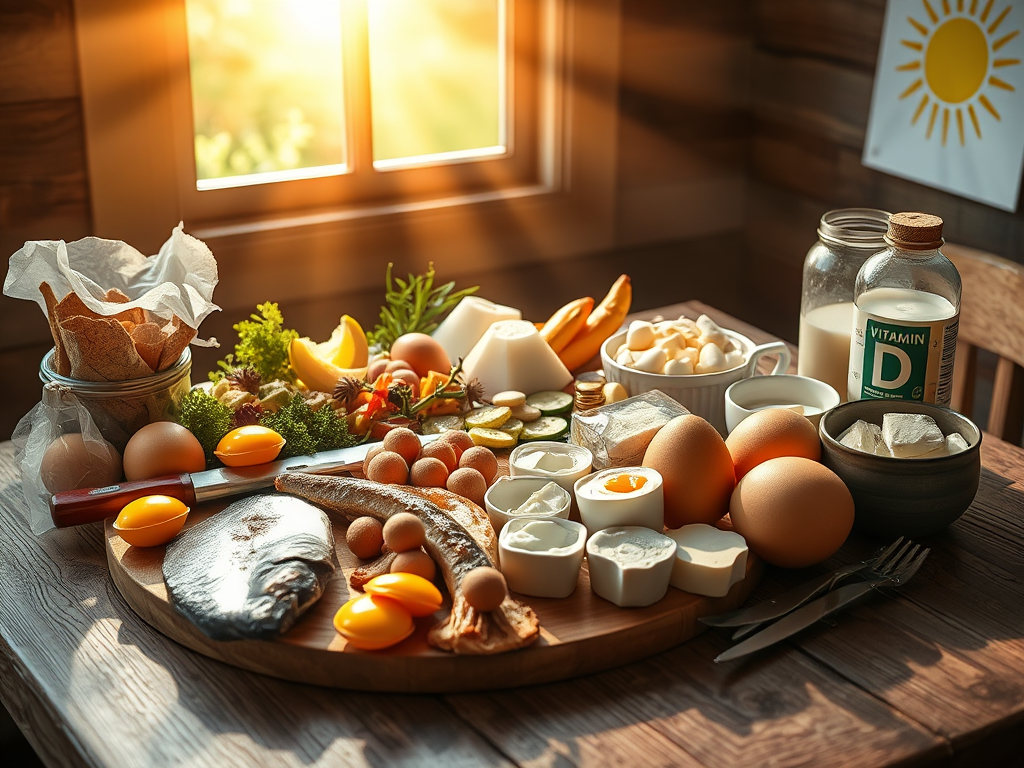
Non-vegetarian people gain from food-based vitamin D3 (more active form).
Top Natural Sources:
- Fatty fish (Salmon, Sardines, Mackerel)
- Cod liver oil (a powerful natural supplement)
- Egg yolks (especially pasture-raised)
- Liver
- Fortified dairy and orange juice
Tip: Cooking with minimal heat helps preserve vitamin D in these foods.
For Vegetarian People
Vegetarians rely more on D2 sources or stronghold foods.
Natural or strong vegetarian source:
- Cow milk and dairy products
- Cheese (check the label for D content)
- Fortified cereals and porridge
- Fortified plant-based milks (soy, almonds)
- Paneer or yogurt made from fortified milk
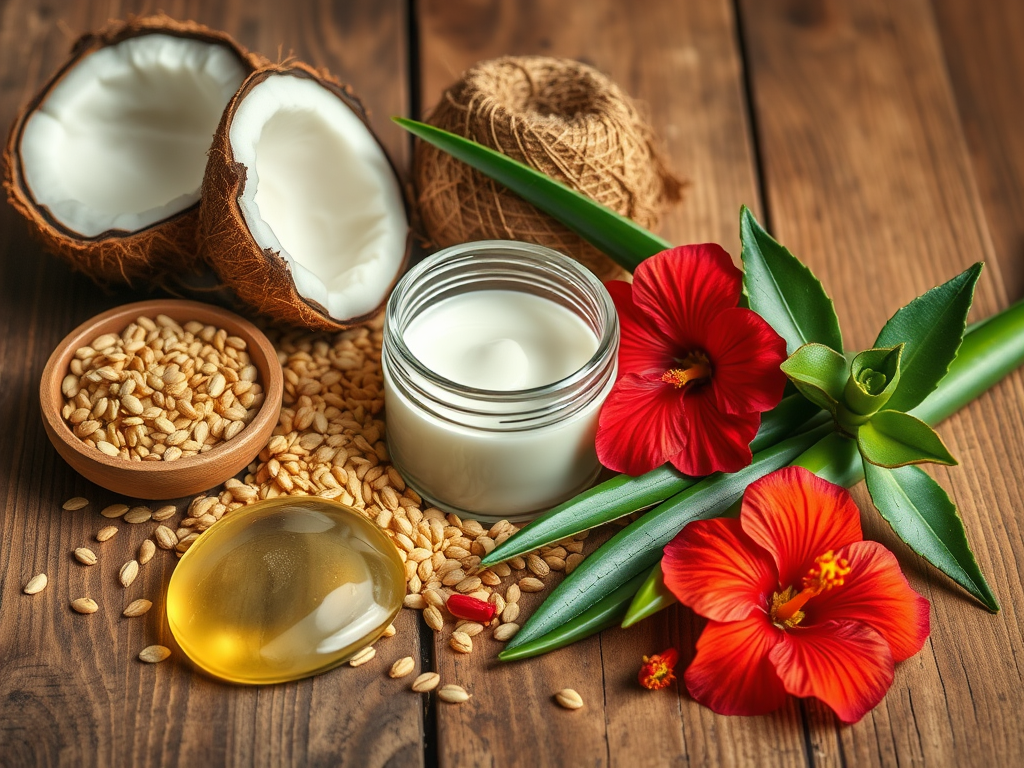
Important tip: Mix with healthy fat like ghee or coconut oil, since vitamin D is fat soluble.
For Vegan People
This group is at risk for reduction because natural vegan sources are rare.
Best Vegan Source:
- Fortified plant-based milk
- Fortified tofu or cereals
- Mushrooms exposed to sunlight
Pro Tip: D2 from plants is weaker than D3. Many vegans choose lichen-based D3 supplements because they are plant-safe and highly effective.
Sunlight and Vitamin D: This is not so Easy
Many people believe that 15 minutes in the sun is sufficient. However, factors such as skin tone, location, weather, and sunscreen can all affect how much vitamin D your body makes.
How to correct it:
- Expose arms and legs to sunlight for 20-30 minutes, 3-4 times a week (without sunscreen during that time).
- Best Time: From 10 am to 2 pm, when UVB rays are the strongest.
- Dark skin tone may require 45 minutes or more.
- Avoid glass – Windows block UVB rays.
Note: After 40, your skin becomes less efficient to make Vitamin D.
Final consideration
Vitamin D is not just a “health trend”. It is necessary to have it as its benefits go far beyond bones. Whether you are enjoying fatty fish, drinking fortified milk, or stepping in the morning sun, you are feeding your brain. You are also supporting your heart, mood, and immunity.




 Healthy Excel
Leave a comment